FitNourish
Services
Tools
Book Now

Personalised for You

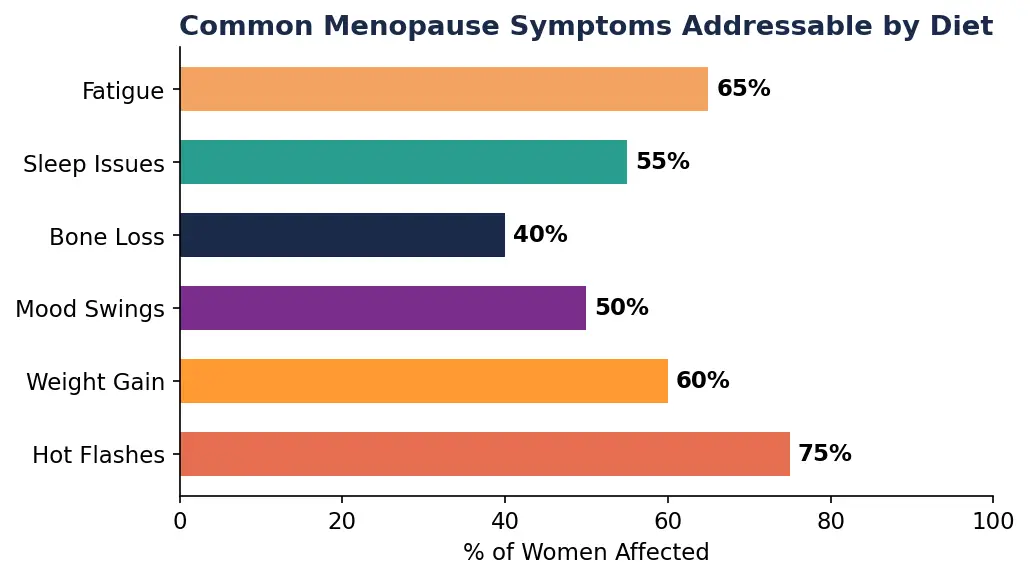
Menopause is not a disease — it is a natural transition. But falling oestrogen triggers weight gain around the belly, bone density loss, sleep disruption and mood changes. The right nutrition plan can ease every one of these symptoms. Our menopause diet focuses on phytoestrogens, calcium, magnesium and anti-inflammatory foods to help you feel strong, calm and energetic through this chapter.

Who This is For

  • Women aged 40-55 experiencing peri-menopausal symptoms
  • Post-menopausal women gaining weight despite eating less
  • Those suffering from frequent hot flashes or night sweats
  • Women concerned about osteoporosis or bone density loss
  • Anyone dealing with menopause-related mood swings or anxiety
  • Women wanting to maintain muscle mass and metabolic rate
Menopause Diet & Nutrition Plan
Our Approach

How We Help You

Phytoestrogen Strategy

Soy, flaxseed, sesame and legumes provide gentle plant oestrogens that ease hot flashes and support hormonal balance.

Bone-Density Nutrition

Calcium (1200 mg/day), vitamin D, magnesium and vitamin K2 to slow bone loss and reduce fracture risk.

Metabolic Reset

Higher protein (1.2 g/kg), resistance-training nutrition and metabolic-rate preservation to counter the midlife slowdown.

Sleep & Mood Foods

Tryptophan, magnesium and B6-rich evening meals to improve sleep quality and stabilise mood.

Heart-Protective Fats

Omega-3, olive oil and fibre to manage rising cholesterol and cardiovascular risk post-menopause.

Symptom Diary & Adjustments

Weekly tracking of hot flashes, sleep, energy and weight so we fine-tune the plan as your body adapts.

Food Guide

What to Eat and What to Limit

Eat Plenty Of

  • Phytoestrogen sources: soy milk, tofu, flaxseed, sesame, lentils
  • Calcium-rich foods: ragi, dairy, fortified plant milk, sardines
  • Omega-3 fats: walnuts, chia seeds, fatty fish, flaxseed oil
  • Colourful vegetables: broccoli, sweet potato, spinach, bell peppers
  • Whole grains: oats, quinoa, brown rice, jowar
  • Hydrating foods: cucumber, watermelon, coconut water, soups

Limit or Avoid

  • Spicy foods that trigger hot flashes
  • Excess caffeine and alcohol — both worsen night sweats
  • Refined sugar and white flour that spike insulin
  • High-sodium processed foods that increase bloating
  • Carbonated drinks that leach calcium from bones
  • Large heavy meals close to bedtime
68%
Fewer hot flashes in 6 weeks
3-4 kg
Average weight loss in 8 weeks
82%
Report better sleep quality
4.8/5
Client satisfaction rating
FAQs

Questions Our Clients Ask

Falling oestrogen shifts fat storage to the belly, reduces muscle mass and slows metabolism by 100 to 200 kcal per day. Without dietary adjustment, this creates a gradual surplus that leads to weight gain.

Yes. Studies show phytoestrogen-rich diets (soy, flaxseed) can reduce hot flash frequency by 40 to 60% within 8 to 12 weeks — comparable to low-dose HRT for mild symptoms.

Post-menopausal women need 1200 mg of calcium daily plus 800 to 1000 IU of vitamin D. Our plan achieves most of this through food, with supplements only if dietary intake falls short.

No. Whole soy foods (tofu, edamame, soy milk) are safe and beneficial. The outdated soy-cancer concern has been debunked by large-scale studies. Avoid only highly processed soy isolates.

Absolutely. Nutrition and HRT complement each other. Many women on HRT still benefit from a structured diet to manage weight, protect bones and support heart health.

Ready to start a plan that actually fits your life?

Speak to a registered dietitian in your time zone, in your language.

Book Your Free Consultation
WhatsApp Book
Free 20-Min Consultation