FitNourish
Services
Tools
Book Now

Personalised for You

Children are not small adults — their nutritional needs change rapidly with age, activity and growth spurts. Whether your child is underweight, overweight, a fussy eater or simply not growing as expected, our paediatric nutrition plans are designed with both science and practicality in mind. We work with parents to create meals kids actually enjoy while meeting every developmental nutrient target.

Who This is For

  • Children aged 3 to 17 who are underweight or not growing well
  • Kids with childhood obesity or excess screen-time snacking
  • Picky eaters who refuse vegetables, fruits or protein
  • Children with low immunity or frequent infections
  • Young athletes needing performance nutrition
  • Parents wanting to build lifelong healthy eating habits early
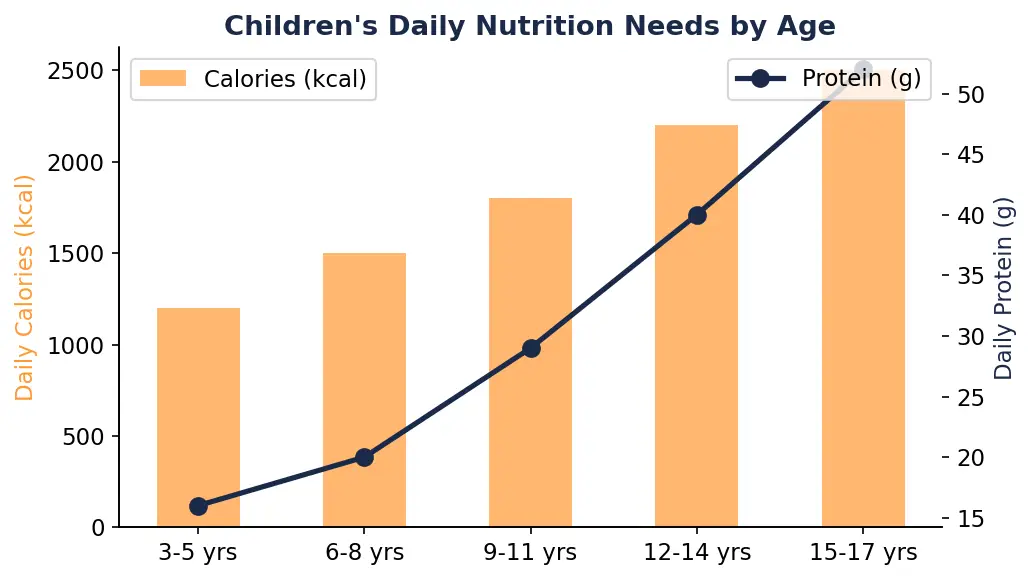
Diet Plan for Kids & Children
Our Approach

How We Help You

Age-Specific Planning

Calorie and protein targets are set precisely for the child's age, weight and activity level using paediatric growth charts.

Fun Food Presentation

We teach parents creative plating, hidden-veggie recipes and flavour tricks that make healthy food appealing to young palates.

Junk-Food Swap Strategy

Instead of banning treats, we replace them with healthier homemade versions — baked samosas, fruit popsicles, oat cookies.

Nutrient Gap Analysis

We identify common childhood deficiencies — iron, calcium, vitamin D, zinc — and fill them through food before supplements.

Family Meal Integration

Plans are designed so the whole family eats together. No separate cooking for the child — just smart modifications.

Growth Monitoring

Monthly height, weight and BMI-for-age tracking against WHO growth curves to ensure the child stays on a healthy trajectory.

Food Guide

What to Eat and What to Limit

Eat Plenty Of

  • Protein builders: eggs, paneer, dal, chicken, milk, curd
  • Calcium for bones: ragi porridge, cheese, sesame, fortified milk
  • Brain foods: walnuts, flaxseed, fish, eggs (for DHA and iron)
  • Energy carbs: whole wheat roti, rice, oats, banana, sweet potato
  • Colourful fruits and vegetables (aim for 5 colours daily)
  • Healthy snacks: makhana, roasted chana, fruit chaat, smoothies

Limit or Avoid

  • Packaged chips, biscuits and instant noodles as daily snacks
  • Sugary cereals, chocolate drinks and flavoured milk
  • Carbonated soft drinks and packaged fruit juices
  • Excess screen-time snacking without hunger cues
  • Adult diet trends (keto, fasting) applied to growing children
  • Forcing food or using meals as punishment or reward
2-4 cm
Height gain support per year
85%
Picky eaters improve in 4 weeks
92%
Parents report less mealtime stress
4.9/5
Parent satisfaction score
FAQs

Questions Our Clients Ask

Yes. Picky eating is extremely common between ages 2 and 7. We use gradual exposure, food chaining and creative presentation to expand acceptance without forcing or bribing.

We never restrict calories in growing children. Instead, we improve food quality, reduce empty-calorie snacks and increase activity — allowing the child to grow into a healthy weight naturally.

We assess growth charts, dietary recall and common deficiency symptoms. A simple blood test for iron, vitamin D and B12 gives objective data to guide the plan.

Yes. Active children need 200 to 500 extra calories daily depending on sport intensity. We design sport-specific plans that fuel performance and support recovery without junk food.

Absolutely. We focus on positive food additions, family-wide changes and fun activity goals. The word "diet" is never used with the child — it is about growing strong, not losing weight.

Ready to start a plan that actually fits your life?

Speak to a registered dietitian in your time zone, in your language.

Book Your Free Consultation
WhatsApp Book
Free 20-Min Consultation