FitNourish
Services
Tools
Book Now

Personalised for You

High cholesterol silently clogs arteries for years before a heart attack strikes. While statins work, diet can reduce LDL by 10 to 20% independently. Our cholesterol management plan uses soluble fibre, plant sterols, omega-3 and specific Indian foods proven to lower LDL and triglycerides — giving your heart the protection it deserves without relying solely on medication.

Who This is For

  • Anyone with total cholesterol above 200 mg/dL or LDL above 130 mg/dL
  • People with high triglycerides (above 150 mg/dL)
  • Those with a family history of heart disease or early heart attacks
  • Individuals wanting to reduce or avoid statin medication through lifestyle
  • People with metabolic syndrome or insulin resistance
  • Anyone post-angioplasty or bypass wanting secondary prevention through diet
Cholesterol Management Diet Plan
Our Approach

How We Help You

Lipid Panel Deep-Dive

We analyse total cholesterol, LDL, HDL, triglycerides, VLDL and Lp(a) to create a targeted intervention strategy.

Soluble Fibre Loading

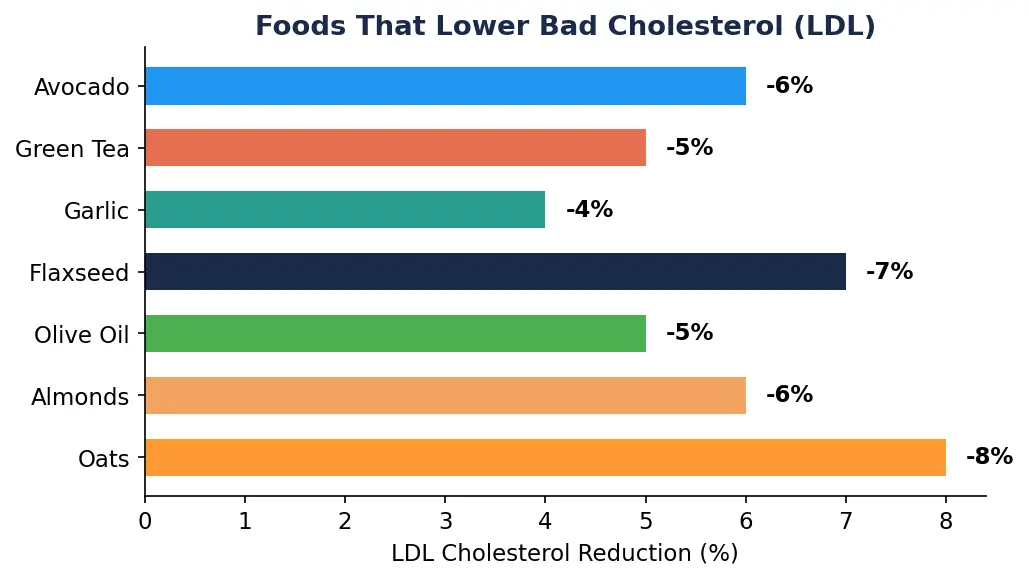
Oats, psyllium, barley and legumes deliver 10 to 25 grams of soluble fibre daily — proven to reduce LDL by 5 to 10%.

Plant Sterol Strategy

Foods naturally rich in plant sterols (nuts, seeds, vegetable oils) block cholesterol absorption in the gut.

Omega-3 Protocol

Fatty fish twice weekly plus daily flaxseed and walnuts to lower triglycerides and reduce arterial inflammation.

Trans-Fat Elimination

Complete removal of hydrogenated oils, vanaspati, bakery fats and deep-fried street food from your daily intake.

Quarterly Lipid Monitoring

Repeat lipid panels every 3 months to track LDL reduction and adjust the plan for continued improvement.

Food Guide

What to Eat and What to Limit

Eat Plenty Of

  • Soluble fibre: oats, barley, psyllium husk (isabgol), apples, beans
  • Omega-3 fats: salmon, mackerel, sardines, walnuts, flaxseed
  • Plant sterols: almonds, sesame seeds, sunflower seeds, olive oil
  • Garlic — shown to reduce total cholesterol by 10 to 12 mg/dL
  • Green tea and hibiscus tea — support LDL reduction
  • Legumes: rajma, chana, moong, masoor — high fibre, zero cholesterol

Limit or Avoid

  • Trans fats: vanaspati, margarine, bakery shortening, packaged snacks
  • Excess saturated fat: full-fat cheese, butter, cream, fatty red meat
  • Deep-fried foods: samosas, pakoras, puris cooked in reused oil
  • Processed meats: sausages, bacon, salami — high in saturated fat
  • Refined carbs and sugar that raise triglycerides
  • Coconut oil in excess (high saturated fat despite being plant-based)
15-25 mg/dL
Average LDL drop in 12 weeks
30%
Triglyceride reduction in 8 weeks
88%
Achieve target lipid levels
4.8/5
Client satisfaction
FAQs

Questions Our Clients Ask

For borderline cases (LDL 130 to 160 mg/dL), diet and exercise often bring levels to normal within 3 to 6 months. Higher levels may still need medication, but diet reduces the dose required and improves overall outcomes.

Current evidence shows that 1 to 2 whole eggs daily do not significantly raise LDL in most people. Dietary cholesterol has less impact than saturated and trans fats. We include eggs unless your doctor specifically restricts them.

Dietary changes begin affecting lipid levels within 2 to 3 weeks. A full lipid panel at 12 weeks typically shows meaningful LDL reduction of 15 to 25 mg/dL with consistent adherence.

No. Healthy fats (olive oil, nuts, avocado, fish) actually improve your lipid profile by raising HDL and lowering triglycerides. The goal is replacing bad fats with good ones, not eliminating fat entirely.

Yes. Statins and diet work through different mechanisms. Combining both gives superior results — often allowing dose reduction over time. Diet also addresses triglycerides and inflammation that statins alone do not fully manage.

Ready to start a plan that actually fits your life?

Speak to a registered dietitian in your time zone, in your language.

Book Your Free Consultation
WhatsApp Book
Free 20-Min Consultation